
One of the many enticing elements of cryptocurrency is its highly futuristic nature — information technology'due south a form of coin that exists primarily in a digital landscape and seems like a concept that could've been extracted from a sci-fi novel. Simply as cutting edge every bit this currency is, it still can't escape the nuts. If y'all're interested in investing in cryptocurrency, you might exist surprised to find that y'all yet need a wallet to participate. This isn't your erstwhile-school leather bifold, though; information technology'south something much meliorate suited to digitized dollars.
Cryptocurrency wallets are actually unique software programs designed to store data nigh your crypto account that makes information technology possible to commutation, purchase and sell cryptocurrency. Earlier y'all kickoff mining Bitcoin or purchasing Dogecoin, though, it'south important to understand what exactly these wallets are, how they piece of work and how their security features protect you.
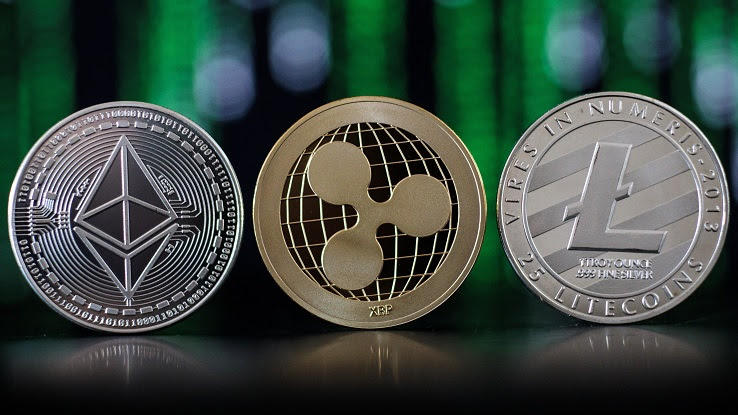
While they're commonly called crypto wallets, they don't hold cash. Instead, cryptocurrency wallets are software programs that shop public and private cryptocurrency keys. These keys provide access to the blockchains (records of transactions performed with specific cryptocurrencies that work similarly to banking company ledgers) that keep track of your cryptocurrency balance and your history of purchases and sales. The data y'all shop in your crypto wallet is used to access, ship and receive cryptocurrency through the internet. Popular cryptocurrencies like Bitcoin, Litecoin and Ethereum all use dissimilar wallets.
What exactly are the "keys" that these wallets store? Private keys are random strings of numbers and messages — sort of like passwords — that are each tied to an amount of cryptocurrency you've received in a transaction. Keys are randomly generated and, when private, are only made available to you. They provide access and control to one blockchain's cryptocurrency value, allowing you lot to exchange or sell the cryptocurrency tied to the specific central.
Public keys — in contrast to individual keys — are like to account numbers (called cryptocurrency addresses), and are what allow cryptocurrency users to receive crypto funds from other people. The numbers for public keys are derived from private keys simply are encrypted so no one tin piece of work backwards from a public fundamental to access the private one. Every bit such, the risk of a security breach happening due to a decoded public key is low.
How Practice You Utilise a Crypto Wallet?
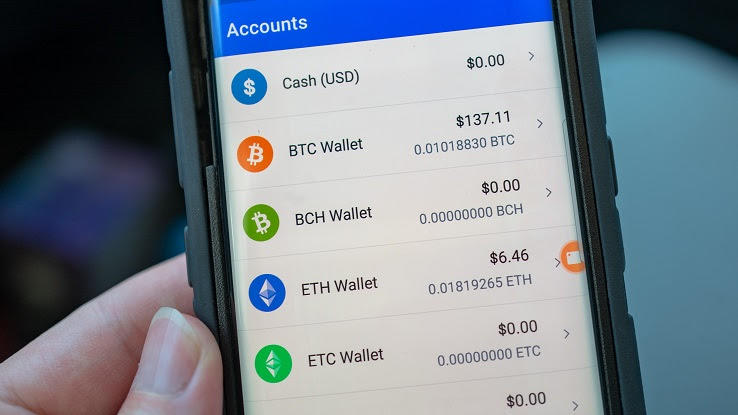
If y'all desire to buy and sell cryptocurrency, yous'll need a crypto wallet. The keys stored in crypto wallets are what provide access to your transactions, your account remainder, your exchange history and more. Without i of these wallets, you'll have no way of buying or selling cryptocurrency because at that place'south no concrete location where you tin access a balance outside of the internet.
When it comes to using a cryptocurrency wallet, the process is fairly straightforward. Whenever you buy or exchange cryptocurrency from or with an individual, they will transfer over access to that currency to the cryptocurrency address yous provide them with. This allows them to input the value directly into your wallet. The exchange of currency is accounted for in the blockchain. The private key then gives yous the power to control, sell and substitution the crypto funds in your possession. If you want to ship cryptocurrency, all you need to do is locate the public crypto accost of your intended recipient, choose how much to transport and confirm the transaction. The convenience and ease of cryptocurrency exchanges is one of the perks that has contributed to the fast growth of the industry.
Understanding the Pros and Cons of Crypto Wallets

Cryptocurrency (and the possession of a cryptocurrency wallet) has plenty of advantages. With no physical money exchanging hands, the trading, selling and buying of cryptocurrency is a much more simplified process than in-person cyberbanking. A crypto wallet lets you lot make purchases from individuals in countries worldwide with no value lost in the exchange, which is the case of national currencies. Because the crypto network exists online and software engineers have intentionally congenital information technology with sophisticated safeguards in place, yous can await cryptocurrency wallets, in most cases, to be secure, private and stable. Cryptocurrency is besides less susceptible to fluctuations in value due to economic shifts, such as inflation and deflation.
One downside of cryptocurrency wallets is that you can't backtrack on transactions — they're irreversible. This ways if you accidentally send funds to the wrong address, you can't dispute the exchange, and your currency is gone. It'south essential to exist sure you lot're careful and double-check (or triple-cheque) your addresses before sending funds to another wallet.
However, you too accept to be aware of scam cryptocurrency companies. While many major cryptocurrencies are becoming household names, smaller startup-type companies may seek to profit off of the trending crypto smash without really supplying you with a valuable currency.
Are Crypto Wallets a Security Chance?

Considering they're solely digital, cryptocurrency wallets (fifty-fifty when well-protected) are susceptible to a level of online interference. It's not much different from having your bank account information stored online — it'southward secure and you might never experience a breach, just the risk is always there. Blockchains are designed to be hack-resistant, yet there's still the possibility of malware meddling in your crypto.
One of the virtually common security risks is fundamental-stealing malware, which tin enter your device's hard drive through faulty links and spam electronic mail messaging. This malware scans your drive for individual keys it can use to access and drain your accounts. Some other gamble is Trojan malware, which hacks your business relationship or hard bulldoze and threatens to crash your difficult drive or expose sensitive information if you lot don't pay a crypto "ransom" to protect your device or information. Phishing scams that ask y'all to verify information via email or text tin steal your wallet information, too.
It's important to recollect that blockchains are designed to exist highly secure. The majority of cryptocurrency hacking occurs when crypto users let their guards downwardly by engaging with unsafe links, websites or accounts. Fortunately, y'all can yet protect yourself.
1 way to lower your adventure is by securing your crypto wallet with two-factor authentication, which requires an additional action on your function each time you log in to your crypto wallet. Similarly to 2-factor identification on your email account, you might need to enter a specific passcode or reply to a coded text message after inputting your password to your wallet account.
You should likewise be wary of emails or letters that ask for verification or private information, and double-bank check the sources that you're receiving mail service or notifications from earlier engaging with whatsoever links. If you're genuinely concerned about a potential security attack on your crypto wallet, you can change your wallet from "hot" (online) to "common cold" (offline), which protects your account from digital hackers. Keep in heed that, in an online market, this activeness makes your crypto more difficult to use and substitution — only information technology can provide the peace of listen you lot might need.
Source: https://www.askmoney.com/investing/crypto-wallet-cryptocurrency?utm_content=params%3Ao%3D1465803%26ad%3DdirN%26qo%3DserpIndex


0 Komentar